
The Campaign
Every day, the world hums with noise. Words spill into the air, quick, casual, constant. We build friendships through conversations, solve problems with debates, and measure intelligence by how smoothly someone speaks. But what happens when your words live inside you, bright and fierce, yet your mouth cannot shape them the way others expect?
For many nonspeaking people, this is not a single moment; it is their everyday. Their voices are not absent. They are waiting. They live in letterboards, keyboards, movements, and the careful patience of those who listen differently.
For too long, silence has been mistaken for a lack of thought. Go Silent Day exists to change that.
Today is not about taking voices away. It is about making space to truly hear the ones that are too often overlooked. It is about pausing the noise and listening with intention. It’s about learning to see communication not as a single path, but as a wide, beautiful landscape.
Our spellers are thinkers, dreamers, leaders, and changemakers. Their words matter. Their stories matter. On this day, we invite the world to step into their shoes — not with pity, but with respect. To quiet your own voice so that theirs can rise.
This document is a collection of those voices. Real words from real people who have always had something to say. As you read, let the silence speak loudly. Let it remind you that communication is not defined by speech, but by connection.
Bono Nenzhelele
Q: What do you wish people would understand about being nonspeaking?
A: It’s nothing to do with intelligence. Wind makes a lot of noise too.
Q: What makes you feel seen, respected and understood?
A: When people look deeper past the speech.
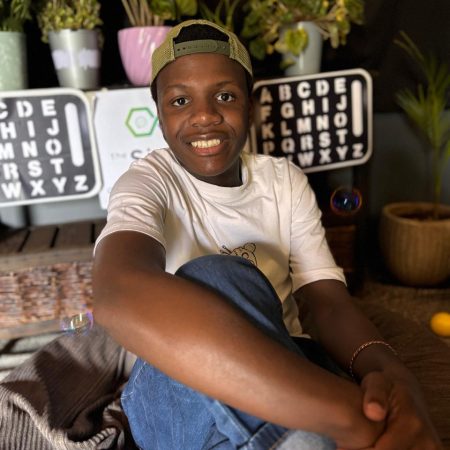
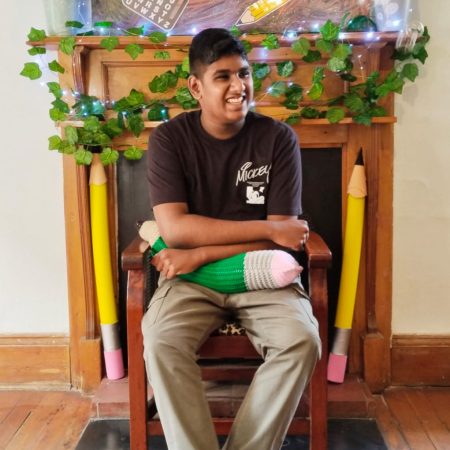
Deevahn Naidoo
Q: What do you wish people would understand about being nonspeaking?
A: Don’t see how so many professionals get it so wrong. Facts are, I’m smart and I can feel a person’s energy. It affects how my body responds to someone.
Ethan Royan
Q: What do you wish people would understand about being nonspeaking?
A: Having no words sucks; I understand everything. Hear it too. Insides don’t match my outsides. It’s not nice.
Q: What changes would you like to see in how people include nonspeakers in everyday?
A: I want to see people be more inclusive. To show we also have a place in society.
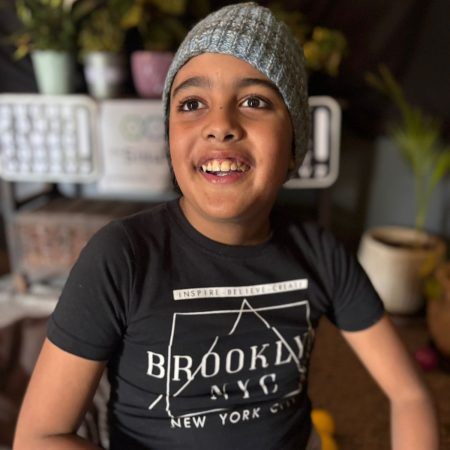
Jaco Louw
Q: What do you wish people would understand about being nonspeaking?
A: I am able to understand speech, my mouth is not able to produce speech. I listen to everything you say, I understand everything, too. Inside this body is a very capable brain.
Q: What changes would you like to see in how people include nonspeakers in everyday?
A: To not stare at my mom so much; some judge her. No, I am not naughty, and I don’t lack discipline; some pity her. Don’t like the stares.
Q: If people could walk in your shoes for one hour, what would you want them to notice?
A: I am trying my best. A bit of compassion on tricky days will be appreciated. Not being seen as smart just due to my body and lack of speech hurts.
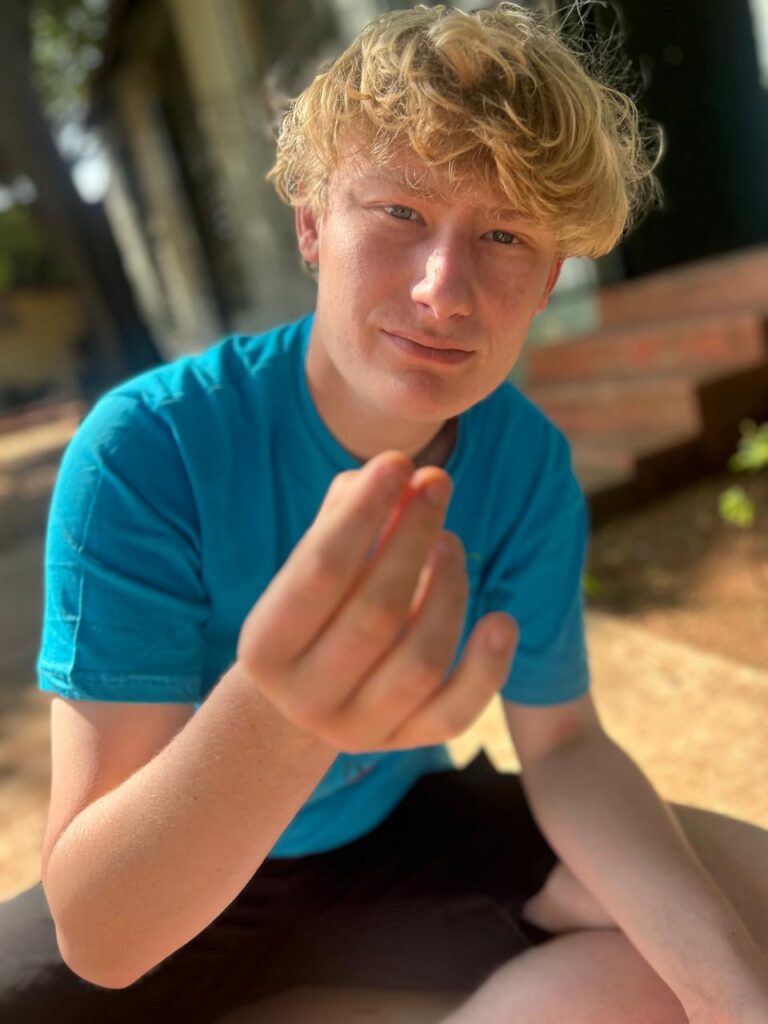
Q: What do you hope people will learn from this campaign?
A: That not having a voice is terrible, but I luckily found it through the boards. It’s terrible, but not the end. Don’t let my charm fool you, I am competent, I am all there upstairs.
Q: How does it feel when others take time to experience silence?
A: It shows care and unity.
Q: Why do you think this campaign is important?
A: It creates awareness of what we deal with on a daily basis.
Q: What makes you feel seen, respected and understood?
A: Till today I will stick to this snippet of truth. Don’t measure my intelligence to my lack of speech. Don’t raise an opinion on something you don’t understand. Chat to us and ask directly.
Joshua De Beer
Q: What do you wish people would understand about being nonspeaking?
A: That it’s hard to get your point of view across without words.
Q: What changes would you like to see in how people include nonspeakers in everyday?
A: Inclusion is key to understanding.
Q: What do you hope people will learn from this campaign?
A: How hard it is to be nonspeaking.
Q: If people could walk in your shoes for one hour, what would you want them to notice?
A: That I’m an intelligent person and that I am not an idiot even if I look and act like one.
Q: What makes you feel seen, respected and understood?
A: School and my mom who can spell with me.
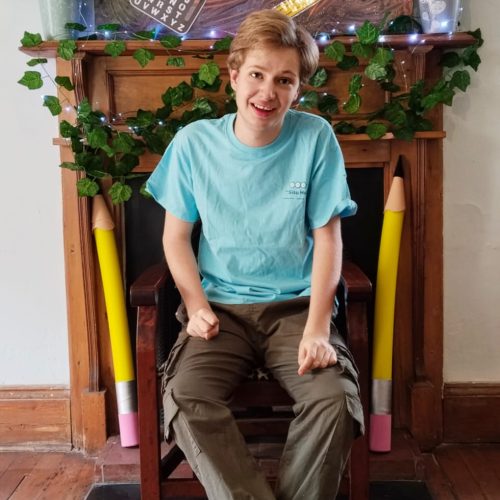
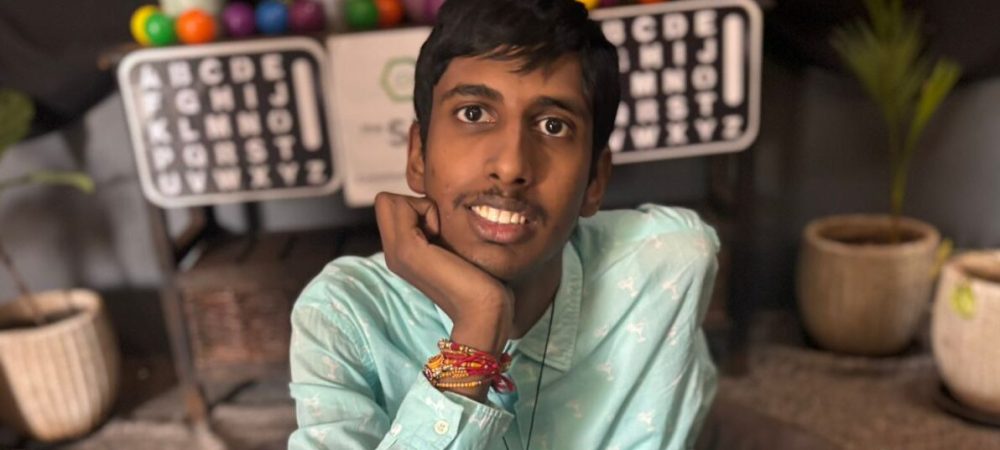
Kieran Pilay
Q: What do you wish people would understand about being nonspeaking?
A: It’s a daily struggle to me. I have some speech but it means so little in fact it brings more harm than good. My speech cannot be trusted. Don’t think I am of much help.
Q: What changes would you like to see in how people include nonspeakers in everyday?
A: We need more facilities and people that presume competence in us. I’m also thinking more support for families that have an autistic member.
Q: If people could walk in your shoes for one hour, what would you want them to notice?
A: I’m also trying even if it doesn’t look like it. It’s an ongoing battle.
Q: What makes you feel seen, respected and understood?
A: When they don’t get mad by my loops. When I am at school.
Q: What do you hope people will learn from this campaign?
A: It’s a weird thing to not be able to say what you mean. May you never experience this.
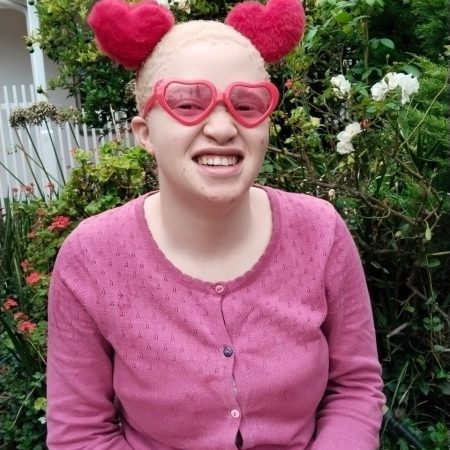
Naleli Mochele
Q: What do you wish people would understand about being nonspeaking?
A: People keep seeing speech equated to intellectual ability.
We are opalite like Taylor Swift; we are making waves in autism, she’s making waves in the music industry.
Phillip Osekre
Q: What do you wish people would understand about being nonspeaking?
A: That we are trapped in a body incapable of using speech and that we have more to say.
Q: What changes would you like to see in how people include nonspeakers in everyday?
A: Allow me to use the letterboard in every situation and believe that it is my own thoughts.
Q: If people could walk in your shoes for one hour, what would you want them to notice?
A: I want them to see me as intelligent and capable to make decisions myself. My intelligence is not linked to my mouth words.
Q: What makes you feel seen, respected and understood?
A: When people see me do S2C and believe its my thoughts.
Q: What do you hope people will learn from this campaign?
A: I wish that people would learn how I talk and accept this method as a true means of communication.
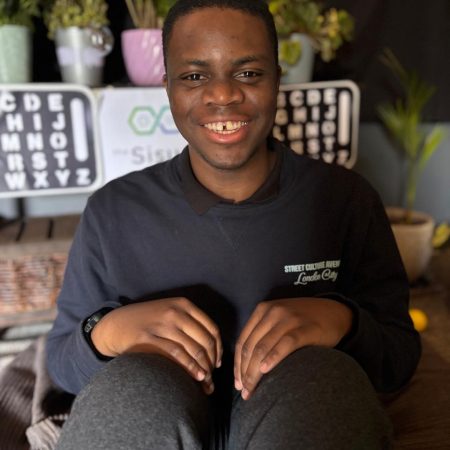
Tanaka Dhliwayo
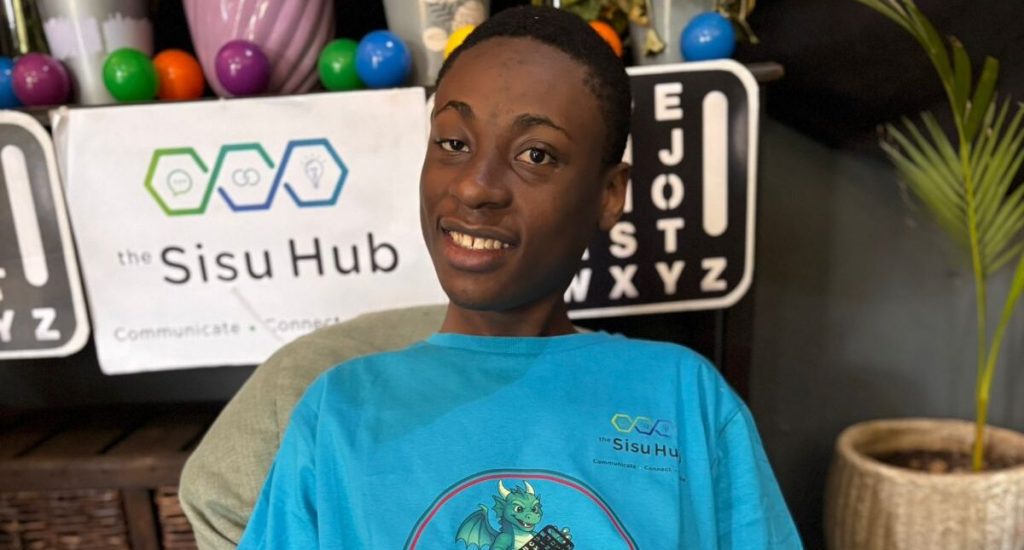
Q: What do you wish people would understand about being nonspeaking?
A: It is a blessing and a curse all rolled up into one. It’s a real struggle to speak and my body is not mine. I don’t always know how to control my body. But on the other side I know I have words that are of value. I know I can communicate. I see the small things.
Q: What do you hope people will learn from this campaign?
A: That we all have struggles. That together we are stronger. It’s not a race but a marathon to create awareness about us. Or rather, acceptance of what they don’t understand.
Q: If people could walk in your shoes for one hour, what would you want them to notice?
A: I am an intelligent person no matter how my body acts. I am able to communicate using my board.
Q: What makes you feel seen, respected and understood?
A: When I am being met with respect. When I am seen as an equal. When I am not judged by my body’s actions.
Q: What changes would you like to see in how people include nonspeakers in everyday?
A: Don’t stare. Integrated
Thabo Siwela
Q: What do you wish people would understand about being nonspeaking?
A: Even a broken clock is right twice a day. My intelligence is not measured by my ability to speak. I need people to look past the noises my body makes. Its really hard to have the words but not the mouth.
Q: What changes would you like to see in how people include nonspeakers in everyday?
A: Inclusion; see that my words matter even if it looks different to yours.
Q: What do you hope people will learn from this campaign?
A: To celebrate diversity. To come together to create understanding.
Q: If people could walk in your shoes for one hour, what would you want them to notice?
A: Endless things, I am still a person even if I look and sound different. I’m smart and worthy. I also have things to say. I’m not incompetent.
Q: What makes you feel seen, respected and understood?
A: When I am seen for who I am on the inside. Who I was meant to be. To know I am capable of more. To see past my silly body and the noise it makes. To be included.
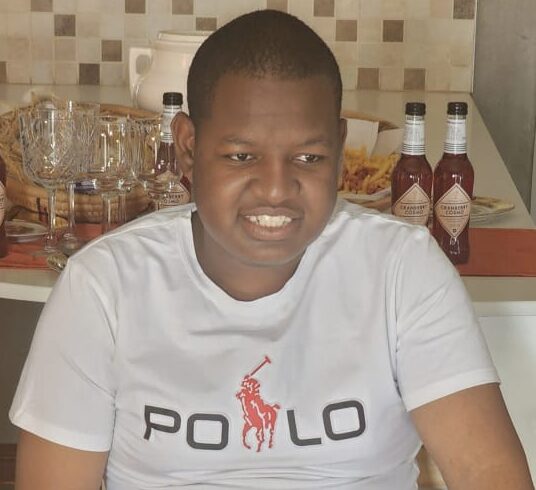
Thato Masike
Q: What do you wish people would understand about being nonspeaking?
A: It’s a huge inconvenience to not be able to say what you can; I have verbal words but they have little worth, it’s also frustrating to not be able to say what I really want to.
Q: What changes would you like to see in how people include nonspeakers in everyday?
A: Don’t think my verbal words are who I am.
Q: What do you hope people will learn from this campaign?
A: To not give speech so much credibility.
Q: If people could walk in your shoes for one hour, what would you want them to notice?
A: It’s hard to say something when your brain and body is not one.
Q: What makes you feel seen, respected and understood?
A: When I am on board I am the truest me.
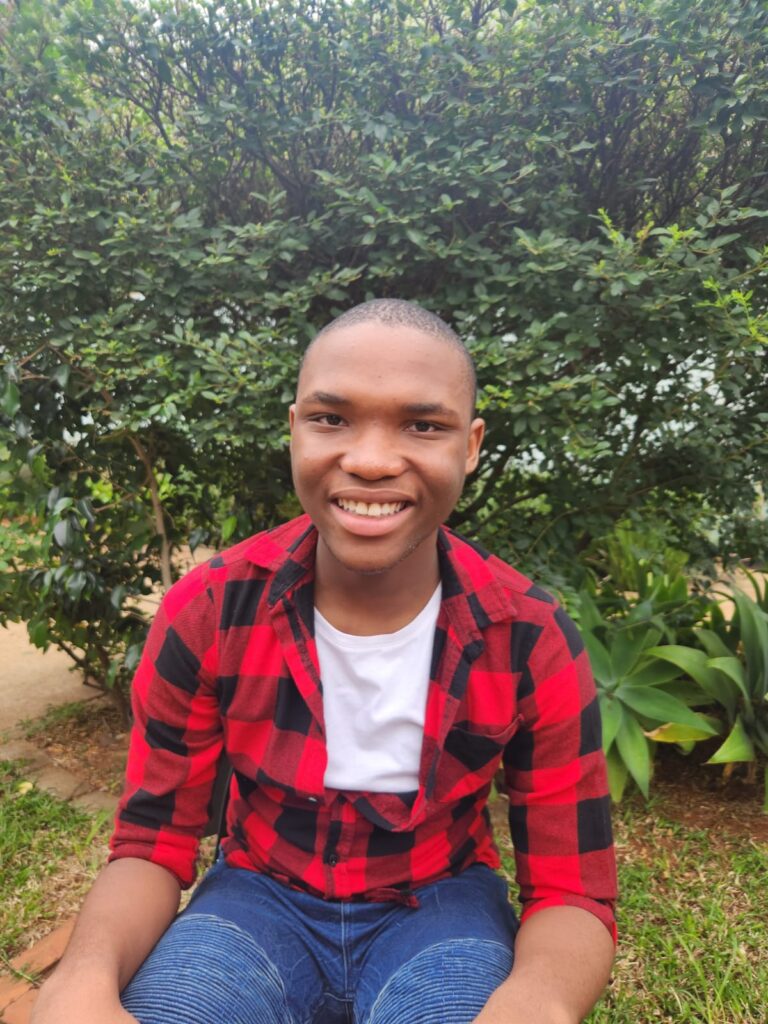
Tholu Zulu
Q: What do you wish people would understand about being nonspeaking?
A: It’s like being locked up in a prison with no walls. I think I can but somewhere my body gets stuck and I’m trapped. It’s a silent battle. Ongoing and never-ending. The silver lining is that I’ve found my voice through the boards. I am capable. I am smart. I am Tholu Zulu.
Q: What changes would you like to see in how people include nonspeakers in everyday?
A: Talk to us and not about us. Talk to me like I understand because I do. Respect doesn’t cost a thing. I don’t want to say presume competence because it is too broad of a term for some. Try to teach people what it means first. Tell Aunt Xolo I want to challenge the president.
Q: If people could walk in your shoes for one hour, what would you want them to notice?
A: I want them to see the potential we have inside us. I want people to see us. To acknowledge us. To see we can also be of value even though we don’t speak. Also speech and communication looks different to me.
Q: What makes you feel seen, respected and understood?
A: When I am included in discussions. When my opinion is asked. When I get to make decisions about myself or about things that impact me. To have a say.
Q: What do you hope people will learn from this campaign?
A: How we should not judge others. We can accommodate alternative communication methods. We can try many things if we are only willing to try harder.
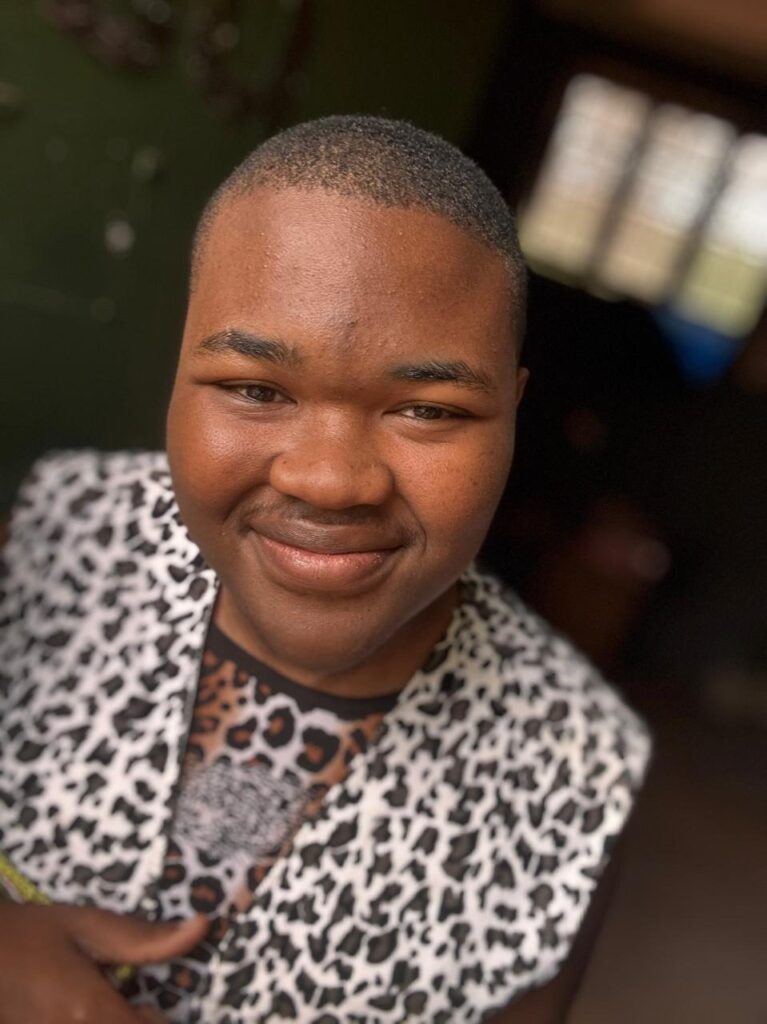
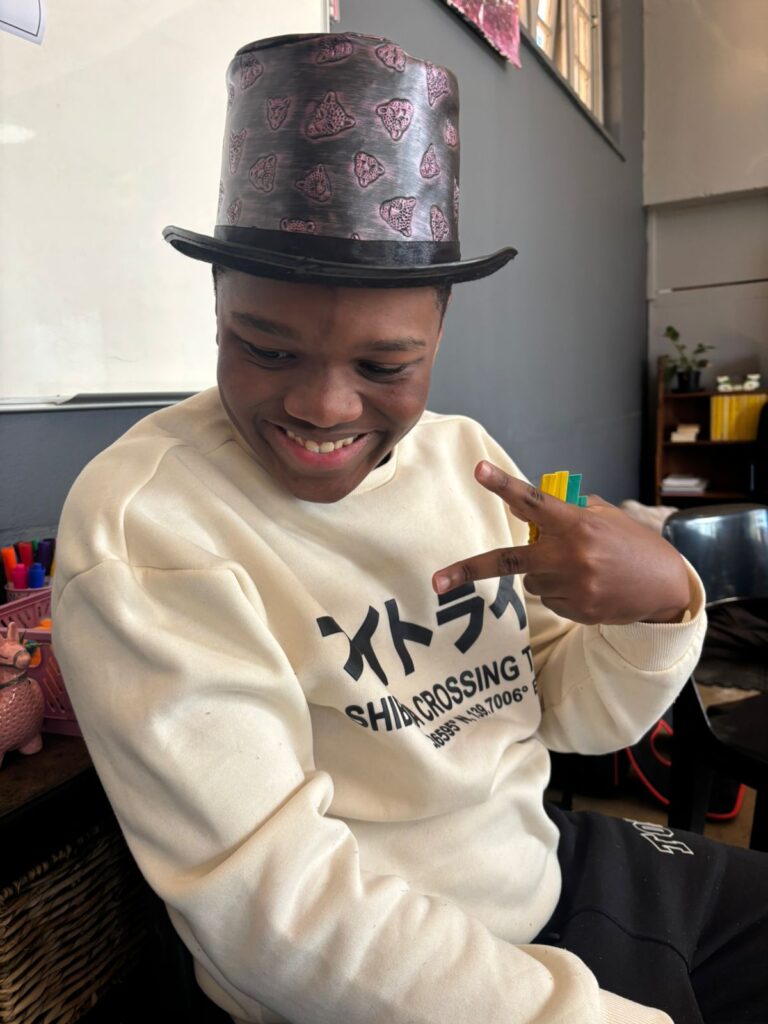
Tumelo Lebenya
Q: What do you wish people would understand about being nonspeaking?
A: Being nonspeaking is not the end of my world. I was able to find my voice. What gets to me is when people discredit my voice. Having to work hard to communicate is something many won’t understand. Some will look at me and think weak but I’m not. I am the total opposite. Let’s see how strong you are when you can’t speak!
Q: What changes would you like to see in how people include nonspeakers in everyday?
A: I want to see how people change their mindset about us. To see certain jobs being adapted to suit our skills and hurdles. Not to be seen as useless.
Q: What makes you feel seen, respected and understood?
A: When I am seen as a person and not as a problem. When I am seen as a diamond in the rough and not as a disaster. I am not weird but worthy.
Q: If people could walk in your shoes for one hour, what would you want them to notice?
A: To see how hard I have worked to gain access to my voice. Don’t discredit it just because you don’t understand it.
Q: What do you hope people will learn from this campaign?
A:That we are all put on this earth to fulfil a purpose no matter how small. We all have a place on earth. My voice also matters.