
Sun, Schedules & Sensory Smarts — keeping nonspeaking students engaged all holiday long
Your Summer Survival & Success GuideBy Stefanie Louw

Summer holidays bring a much-needed break from school routines—but for nonspeaking autistic students, long stretches of unstructured time can be overwhelming. Predictable schedules, meaningful activities, and proactive sensory support can make the holidays enjoyable for the whole family. Here are some practical ideas to help keep your child engaged, regulated, and connected during the summer break.
1. Maintain a Light but Predictable Schedule
Holidays don’t need to be rigid, but consistency creates safety for nonspeaking students. A simple visual schedule or weekly calendar can go a long way toward reducing anxiety, especially when routines shift.
Tips for success:
Build a morning rhythm: breakfast, movement activity, quiet time, outing/social time.
Use visual supports—a whiteboard, picture symbols, or a digital planner.
Prepare your child for any change with clear communication ahead of time (the earlier the better).
Talk through plans verbally even if your child is nonspeaking—their comprehension is strong, and being included builds trust.

2. Communicate Events and Plans Clearly
Summer often brings family visits, travel, and holiday celebrations. These events are stimulating, unpredictable, and sometimes dysregulating.
Ways to communicate upcoming events:
Add it to the schedule (“Grandma visits – Wednesday afternoon”).
Use photos or videos of the place or people they will see.
Offer a simple script:
“On Saturday, we are going to the beach. It will be loud. We will bring your headphones and find a quiet space if you need.”Validate emotions and give choices where possible.
Pre-loading your child with information is an act of co-regulation.

3. Activity Ideas to Keep Minds Busy and Bodies Engaged
Here are activities that support motor planning, sensory regulation, and cognitive engagement—all while keeping the holidays fun:
Movement + Motor Activities
- Nature walks with a scavenger hunt
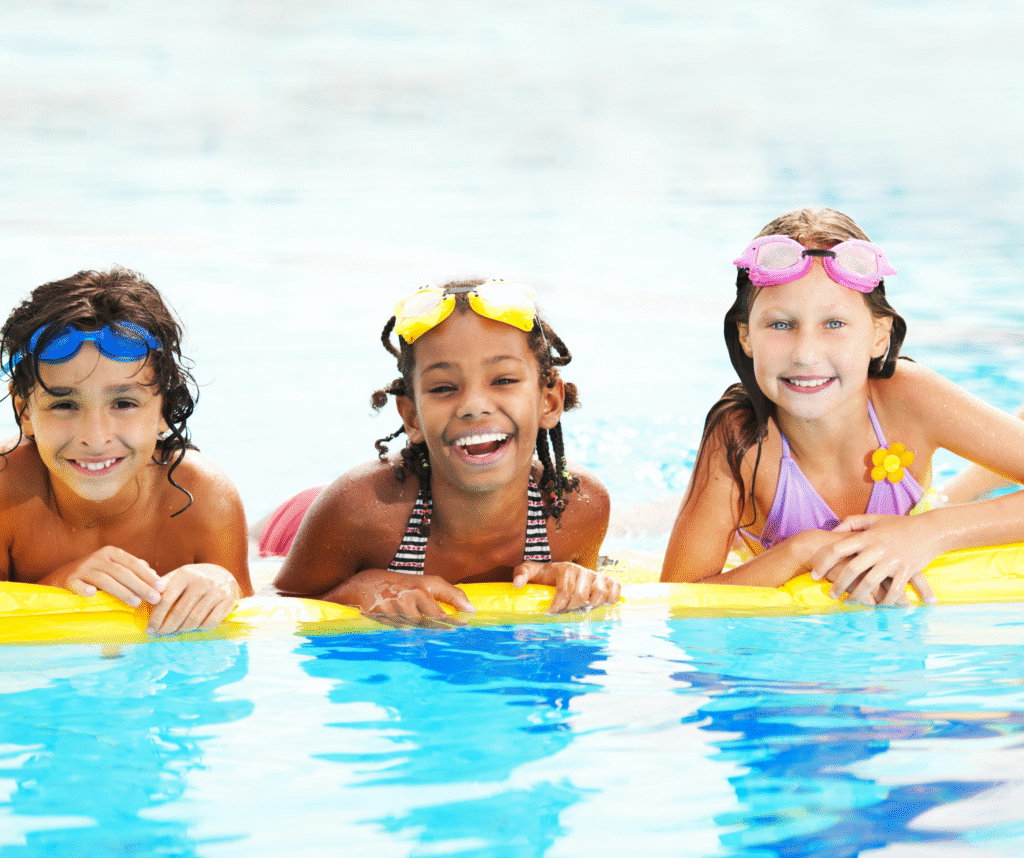
- Swimming or water play
- Ball games over a table (great for eye tracking!)
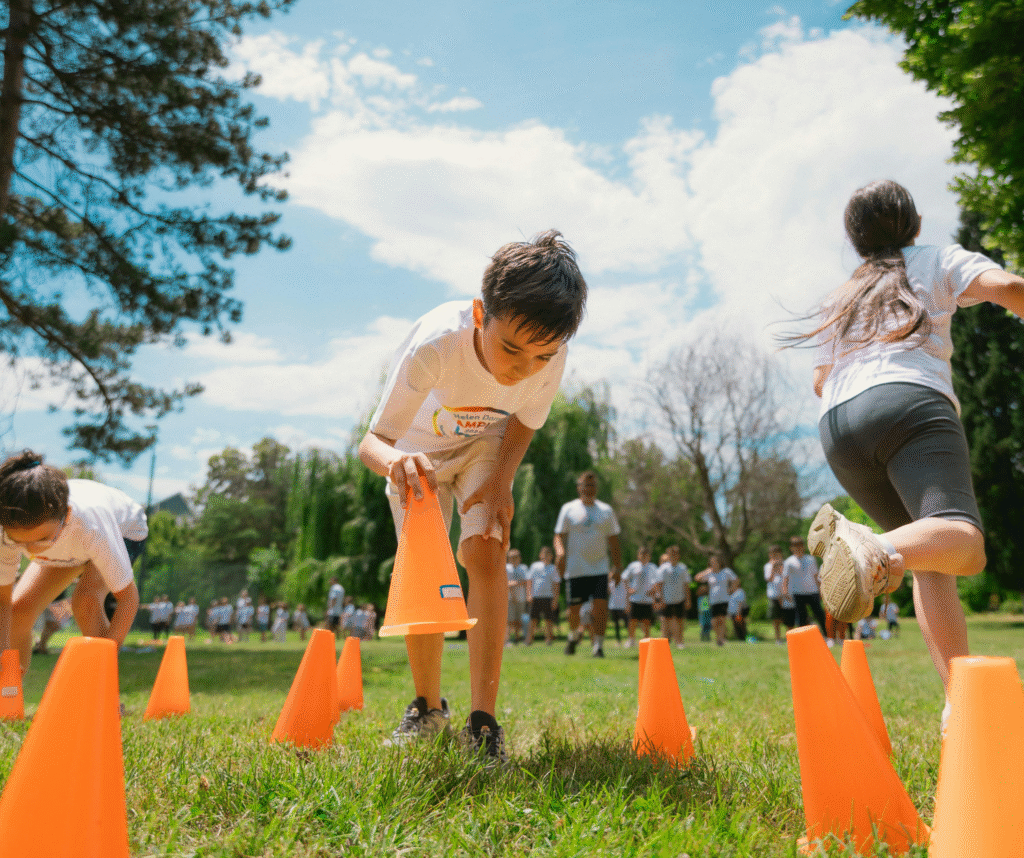
- Mini obstacle courses at home
- Simple yoga or stretching routines
- Bike or scooter rides
Hands-On Creative Activities
Watercolour painting
Making collages from magazines
DIY sensory jars
Clay or playdough modelling
Baking simple recipes—stirring, pouring, decorating
Don’t Forget to Coach the Motor
Motor coaching doesn’t only happen on the letterboards—it’s something you can support throughout daily life. Our nonspeaking kids often know exactly what they want to do, but their bodies need guidance to carry out the movement. Coaching the motor means giving clear, intentional support to help them plan, start, and finish any motor task, whether it’s getting dressed, brushing teeth, carrying something, or joining an activity. Your gentle prompts, modelling, and step-by-step guidance help organise their motor system and build confidence long before they sit down to spell.
You can read our full blog on motor coaching here: https://thesisuhub.co.za/?p=1412
Cognitive + Communication Activities
Reading or listening to a chapter book together
Spelling to Communicate sessions (light summer versions!)
Find some free lessons here: https://i-asc.org/education/s2c-lessons-english/ and here: https://thesisuhub.co.za/?page_id=1326
Another great resource for lessons: https://thelessonshelf.com/
Flashcard games
Find a great resource on how to teach games to spellers here:https://i-asc.org/game-play-for-spellers/
Categorizing tasks (sort shells, rocks, beads, toys by size or colour)
Memory games or matching cards
Calming / Regulation Activities
Weighted blanket or lap pad quiet time
Listening to calming music
Guided breathing with a visual timer
Water play: warm bath, foot bath, or hand immersion in warm/cool water
4. Summer-Friendly Media: Podcasts & Documentaries
These can be wonderful for learning, regulation, and shared family time.
Kid-Friendly Podcasts
Brains On! – Science explained in fun, accessible ways.
But Why? – Kids ask questions; experts answer.
Who, When, Wow! – Interesting stories from history.
Greeking Out – Mythology retold in a lively, engaging style.
Documentaries & Educational Videos
(Choose based on your child’s interests and keep it age-appropriate—here are gentle, visually engaging options.)
Planet Earth, Blue Planet, or Our Planet – Stunning nature visuals with calm narration.
National Geographic Kids – Short, engaging clips.
Cosmos – Great for science lovers (audio and visuals may be more stimulating; preview first).
Pro tip: Play documentaries in the background during calm activities like drawing or building.
5. Sensory Regulation During Busy Holiday & Festival Times
Holiday markets, family gatherings, and festivals are exciting but can overwhelm the sensory system. Here’s how to support regulation:
Before the event
- Show photos or videos of the place.
- Pack a “regulation toolkit”:
- Noise-reducing headphones
- Fidget tools
- Chewelry
- Sunglasses or cap
- A familiar snack
- A small weighted item
- Plan an exit strategy:
“We can take breaks in the car or walk away if needed.”
During the event
- Stay attuned to early signs of dysregulation: increased movement, avoidance, faster breathing.
- Take structured sensory breaks—5 minutes of deep pressure or walking in a quieter area.
- Honour communication: if your child points, gestures, spells, or looks away, respond.
After the event
- Offer decompression time at home:
- Bath or water play
- Jumping on a trampoline
- Dim lights, soft music, quiet space
- Snacking and hydration
The goal isn’t to avoid all stimulation—it’s to support your child through it.
Summer holidays can be joyful, adventurous, and full of connection. Nonspeaking autistic students thrive when we combine predictability, sensory support, and engaging activities they genuinely enjoy. With a little planning—and a lot of communication—you can create a summer that feels safe, structured, and meaningful for your child and your whole family.